Home Page of Kasajoo.com Vinaya Kasajoo, a littérateur, journalist, community media activist and Ashoka Fellow working for Pro-people Media in Nepal.
Home Page of kasajoo.com
Home
Media
Pro-people Media - Nepali
आमसञ्चारसम्बन्धी लेख
Pro-people Media - English
IT for Development - English
IT for Development - Nepali
Literature
Tweeter Stories Nepali
Short Short Stories - English
Short Short Stories - Nepali
Children's Stories - English
Children's Stories - Nepali
Feature Articles - English
Feature Articles - Nepali
Publications
Profile
Feedback
Contact

Public Service Broadcasting: A Best Practices SOURCEBOOK


Code of Conduct for Radio Operators Nepal 2008 रेडियो संचालकहरूका लागि आचार संहिता २००८


A Sleeping Bag for
Mr. Fox

A Collection of Flash Fictions
Author: Vinaya Kasajoo
Publisher: Bibek Sirjanshil Publication, Nepal
Price NRs. 75.00

बालसंसार Children's World
Media & Literature for Children»

बाल भित्तेपत्रिका तालिम निर्देशिका


डाउनलोड गर्नुस्

उच्चस्तरीय मिडिया सुझाव आयोगको प्रतिवेदन २०६३
हेर्न र डाउलोड गर्न यहाँ क्लिक गर्नुस्


मिडियाको लोकतन्त्रीकरण
Democratization of Media
लोकतान्त्रिक नेपालमा जनतको हातमा संचार अधिकार कस्तो र कसरी विषयमा देशव्यापी छलफल चलाउनका लागि पुस्तक ।
यहाँ क्लिक गरेर यो पूरै पुस्तक डाउनलोड गर्न सक्नुहुन्छ । ४८ पृष्ठको यो पुस्तक पच्चिस रुपैयाँमा बजारमा किन्न पाइन्छ ।

जनसंचार र प्रजातन्त्रीकरण नेपालको सन्दर्भमा एक अध्ययन
सर्वांगीण विकास अध्ययन केन्द्रले २०५३ सालमा प्रकाशित गरेको अध्ययन प्रतिवेदनको परिशिष्टमा दिइएको

नेपालमा जनसंचारको विकासक्रमः संक्षिप्त इतिहास PDF मा जंगबहादुरको गिद्धेप्रेसदेखि गाउँले पत्रिका देउरालीसम्मको कालक्रम थाहा पाउन यहाँ क्लिक गर्नुस् ।

सामुदायिक रेडियो हाते किताब (निर्देशिका)
युनेस्कोद्वारा प्रकाशित तथा विनय कसजूद्वारा अनुदित यो सचित्र पुस्तकको चित्रबिनाको पाठ्य सामग्रीमात्र हेर्न र डाउनलोड गर्न यहाँ क्लिक गर्नुस् ।

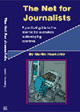
द नेट फर जर्नलिस्ट पत्रकारहरूका लागि इन्टरनेटको उपयोग गर्न सिकाउने यो पुस्तकले आफूलाई चाहिने जानकारी, सूचना कहाँबाट र कसरी पाउने भन्ने मात्रै सिकाउँदैन, त्यसरी पाएको सूचनालाई कसरी मूल्यांकन गर्ने र आधिकारिकता पत्ता लगाउने भन्ने पनि सिकाउँछ । यसमा पत्रकार आफैले ब्लग, इन्टरनेट फोन, पोडकास्टिङ (इन्टरनेटबाट रेडियो प्रसारण) आदि संचालन गर्न पनि सिकाइएको छ । यो किताब किन्दा सँगै एउटा तालिम निर्देशिका र सफ्टवेयरसहितको सीडी पनि पाइन्छ ।

विकासशील देशका छापा र प्रसारण पत्रकारहरू तथा पत्रकारिताका विद्यार्थीहरूका लागि लक्षित गरी युनेस्कोले थम्सन फाउण्डेसन र कमलवेल्थ ब्रोडकास्टिङ एसोसिएसनसँग मिलेर तयार पारेको यो पुस्तक आफ्नो कम्प्युटरमा डाउनलोड गर्न यहाँ क्लिक गर्नुस यसको लागि पैसा लाग्दैन । यसको साइज 2.09 MB छ । यो किताबमा भएका सामग्रीहरू उपयोग गर्नका लागि प्रकाशकको अनुमति लिनुपर्छ ।


हाउ टु डु कम्युनिटी रेडियो

फिलिपिन्समा सामुदयिक रेडियोका अगुवा लुइ ताबिङद्वारा लिखित तथा युनेस्कोद्वारा प्रकाशित सामुदायिक रेडियो चलाउनका लागि आधारभूत पुस्तक । यो पुस्तकमा भएका सामग्री उपयोग गर्दा लेखक र प्रकाशकको अनुमति लिनुहोला । यहाँ क्लिक गरेर पुस्तक डाउनलोड गर्नसकिन्छ ।
Click here to Download PDF


कम्युनिटी रेडियो द पिपुल्स भ्वाइस
सामुदायिक रेडियोको क्षेत्रमा गहकिलो अनुभव बटुलेको देश दक्षिण अफ्रिकाको अनुभवमा आधारित तथा दक्षिण अफ्रिकाका ६ जना लेखकले लेखेको यो पुस्तक सामुदायिक रेडियो स्थापना र संचालन गर्न खोज्नेहरूका लागि निक्कै उपयोगी छ । लेखक र प्रकाशकको लिखित अनुमित नलिई पुस्तकको कुनै पनि अंशको पुनः उपयोग गर्न सकिन्न । तर नाफा कमाउने उद्देश्य नराखी पुस्तकका केही अंश उपयोग गर्न सकिन्छ । यहाँ क्लिक गरेर पुस्तक डाउनलोड गर्न सकिन्छ । ।
Click Here to Download PDF
सामुदायिक रेडियोको विश्वभरि परेको सामाजिक प्रभावको एमार्कले गरेको अध्ययन र मूल्यांकन हेर्नुहोस् ।

Recent Books of
Vinaya Kasajoo


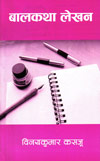
Baal Katha Lekhan
(How to Write Kids' Stories)
Visit www.balsansar.com


Baghko Satkar
(Stories for Children in Nepali Language)
 

Click here to Download PDF

Musa lai Dosalla
ra Aru Bal Kathaharu
(In Honour of a Rat and Other Stories for Children)

 
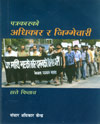
Rights & Responsibilities of Journalists
A Handbook Produced by Centre for Media Rights (CMR), Nepal with the support of Nepal Media and Demoractic Strengthening Project/IMPACS
 
A presentation of Dreams & Ideas : Service Provider of Web, Print & Multimedia
 

Short Short Stories (English)

"How do we benefit?"

This is not a satire on development but a true incident.

Some years back, an international organisation provided service-latrines for every locality under the aegis of Health and Hygiene program. But the latrines were left unused for many days after the construction of the latrines. When asked as to why they were not enthusiastic to use these amenities, the villagers unequivocally replied that they were not used to such latrines and moreover they felt suffocated within.

After hearing their opinion, the organisation worked out a plan. Whosoever made use of the latrines would receive a reward of one rupee per use. The villagers were jubilant and started using the latrines. The organisation too felt satisfied and happy over their success. But hardly a month had passed when the villagers once again stopped using the latrines. A fact-finding group was once again commissioned to visit the village. The villagers while admitting that the scheme did fetch them some gains in small resources, said that the loss they had to incur was relatively more than their profit. The reason being that their pigs who were growing weaker and leaner by the day, for want of sufficient supply of farcical nutrient had to be fed with fodder for which expensive grains had to be bought from the market.

Nevertheless, the organisation in a bid to save the face of their scheme from abortion and failure, charted out another scheme of distributing fodder for the pigs. The villagers started getting rewarded with free fodder for the pigs in return for their cooperation in using the latrines.

After a few days, the organisers were once again back to square one. The villagers stopped using the latrines once again. A team was constituted to investigate the matter. The fact-finding mission was met at the village by a few villagers who very politely said, "sir, we know that your organisation's name was mentioned in the radio news for having constructed latrines in our village. We are also happy to see our pigs thriving on the fodder provided by you. All this is really nice. But can you please tell us how do we benefit by using the latrines?"

(Translated by Dr. S. G. Tenzin and published in "Face to Face" magazine for development, No.16. July - Sept., 1998.)

Back

 
Recent Articles
नयाँ लेख
श्रव्यदृश्य सामग्रीको संरक्षणा राष्ट्रिय दायित्व
अबको सूचना प्रविधि नीति र कार्यक्रम
Towards Community level Access to the Internet for
Freedom of Expression
डिजिटल संचार युगमा जनप्रतिनिधित्व
साइबर स्पेसमा सूचनाको हक
जनसेवी प्रसारणा र विकासशील देशहरूमा यसको उपयोग
सञ्चार स्वप्नद्रष्टा आर्थर सी. क्लार्क
पाल्पाको सन्दर्भमा पत्रकारिताका अवसर र चुनौती

मिडियाको लोकतन्त्रीकरणा र सामाजिक आन्दोलन (मिडिया अध्ययन ४ मा प्रकाशित)

एक्काइसौँ शताब्दीको शक्तिः सूचना र ज्ञान

संवाद, समझदारी र मेलमिलापका लागि मिडिया

लोकतन्त्रमा स्वतन्त्र प्रेस र नागरिक समाज (गोरखापत्र)

इन्टरनेटको खतराबाट केटाकेटीलाई कसरी जोगाउने ?

स्वतन्त्र प्रेसका लागि सूचनाको हक

यस कारण थाहा चाहियो

जनताको हातमा संचार शक्तिको अर्थ

बालसाहित्य सर्जकसमक्ष हाँकहरू

भारतीय जनता पार्टीको आईटी सपना

शक्ति सन्तुलनमा प्रेसको भूमिका

मिडिया र मूल्यमान्यता (Media and Values)

प्रेसः अंगुर निचोर्नेदेखि दिमाग निचोर्नेसम्म

पत्रकारको सुरक्षा कसको दायित्व?

डेनमार्कमा वायु उर्जा

सूचनाको हक र प्रेस

सूचनामा जनताको पहुँचका लागि सूचना व्यवस्थापन

मिडियाको लोकतन्त्रीकरण र सामाजिक आन्दोलन

नेपालको संघीय संरचना र अन्तर्राष्ट्रिय सम्बन्ध

लोकतन्त्रमा सूचनाको हक

विकासको लागि रेडयो र इन्टरनेटको मेल

नयाँ संविधानमा सूचना र संचार

इन्टरनेटमा हीरा कि कीरा ?

संविधान निर्माण धाराका आधारहरूको अभिलेखन र संरक्षण अत्यावश्यक

रेडियो र मोबाइल फोनको मेल

नेपाली च्यानलका अवसर

सुशासन र सूचनाअधिकार

बालबालिकाका लागि रेडियो नाटक

परिवर्तनका लागि मोबाइल फोन

लोकतन्त्रमा सूचनाको हकः अवसर र हाँक

सूचनाअधिकार र प्रेस

जनअधिकारका लागि सूचनाको हक

जनसत्ताका लागि छैटौँ सत्ता

 
नयाँ नेपालमा संचार शक्ति जनताको हातमा

गाउँको विकासमा सूचना तथा संचार प्रविधि

अभिव्यक्ति स्वतन्त्रता, सूचनाको हक र गोपनीयता (०५३-५४)

मिडिया भन्ने कि प्रेस?

ऐतिहासिक गिद्धे प्रेस

सञ्चारको लोकतन्त्रीकरण र पुनःसंरचनाको एजेन्डा

नेपालको पुनःसंरचनामा संचारको भूमिका

नेपालको नवनिर्माणमा बालसाहित्यको भूमिका

सम्विधानसभाका लागि मिडियाको भूमिका
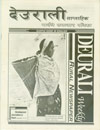
Gaunle Deurali, the First Rural Newspaper of South Asia needs your support.
Please click here and Save It!

Interview on IT broadcast through Radio Sagarmatha
(File Type: Exe, Size: 1.16 MB)
Download Now»

गाउँमा आर्थिक क्रान्तिका लागि मोबाइल फोन

आर्थिक विकासमा मोबाइल फोनको यही महत्वले गर्दा नै चिन, भारत, फिलिपिन्स, दक्षिण कोरिया जस्ता द्रुत गतिले आर्थिक प्रगतितिर लम्किरहेका देशहरूमा मोबाइल फोनको विकासले फडको मारिरहेको छ । ती देशहरूमा कम्प्युटरभन्दा मोबाइल फोनको संख्या, सेवा र व्यवसाय धेरै बढिरहेको छ । अहिले चिनमा सयकडा बीस जनाभन्दा धेरैको हातमा मोबाइल फोन छ । त्यस्तै भारतका गाउँगाउँमा पनि मोबाइल फोन पुग्न थालेको छ ।
भौतिक पूर्वाधारको अभाव, ठूलो लगानी, सुरक्षा आदि विभिन्न कारणले गर्दा नेपालमा गाउँगाउँमा परम्परागत तारयुक्त टेलिफोन पुर्याउनु सजिलो छैन । ताररहित सूचना प्रविधि नै यहाँको लागि सबैभन्दा उपयुक्त र प्रभावकारी उपाय हो । रेडियोले एकतर्फी सूचना प्रवाहित गर्छ भने टेलिफोनले दुई तर्फी । यसैलै नेपालमा अहिले बढिरहेको मोबाइल फोनलाई कृषि बजारको विकासँग जोडेर हेर्नु अति आवश्यक छ । बाँकी अंश»

अहिलेको विश्वमा विकास संचारको सान्दर्भिकता

भारतको पूर्वी समुद्र तटीय राज्य पोण्डेचेरीको एउटा गाउँ नाल्लवधुमा सुनामी महाभूकम्पले उत्पन्न गरेको समुद्री छालको पानी पस्यो तर त्यहाँ कसैको पनि मृत्यु भएन । छाल आउनुभन्दा पहिले नै सबै गाउँलेहरू घर छाडेर सुरक्षित ठाउँमा गइसकेका थिए । बाँकी अंश»

कम्प्युटरमा नेपाली र नेपालीमा कम्प्युटर

कम्प्युटरको मनिटर, मेनु र सन्देशहरू देवनागरी लिपिमा नेपाली भाषामा चल्ने वा देखिने नभएसम्म र नेपाली भाषामा दिएको आदेशअनुसार कम्प्युटरले काम नगर्दासम्म अंग्रेजी नजानेका साक्षर नेपालीले कम्प्युटरको उपयोग गर्ने सम्भावना छैन । नेपाली भाषामा कम्प्युटर चलाउने प्रविधि सुरु भयो भने झण्डै आधा जनसंख्याको हाराहारीमा रहेका साक्षर नेपालीहरू कम्प्युटर चलाउनसक्ने अवस्थामा पुग्नेछन् । बाँकी अंश»


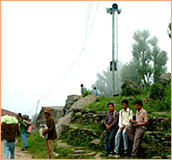
Community Audio Tower, Daanda Bazar, Nepal
Community Audio Tower
Daanda Bazar, Nepal

Empowering Rural People through Communication

In the rural areas of Nepal, schoolbooks of the children, labels and wrappers of the commercial goods and posters and pamphlets during election are the only printed paper the people usually see. If knowledge is the fuel for development, where is that fuel for the majority of the people of Nepal? Read More »

Where are we in the Global Map of IT?

The main vision of the Nepalese IT Policy 2000 is to “Place Nepal on the Global Map of information technology within the next five year.” Where are we in that map after losing three precious years?
Read More »

 
What IT can do in Nepal? How can it help the poor?

Power of IT and Its Use in Nepal is the first book that tries to address these questions. Published in Nepali language, it explains the technical and practical aspects of information technology and its significance for the developing countries like Nepal.The 210 page book costs Rs. 200. Download full Nepali text in PDF file.

 
© Copyright 2003-2009 Vinaya Kumar Kasajoo. All Rights Reserved. Website designed, maintained & promoted by Dreams & Ideas .