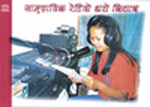
सामुदायिक रेडियो हाते
किताब (निर्देशिका) युनेस्कोद्वारा
प्रकाशित तथा विनय कसजूद्वारा अनुदित यो सचित्र पुस्तकको चित्रबिनाको
पाठ्य सामग्रीमात्र हेर्न र डाउनलोड गर्न
यहाँ क्लिक गर्नुस् ।
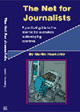
द नेट फर जर्नलिस्ट पत्रकारहरूका
लागि इन्टरनेटको उपयोग गर्न सिकाउने यो पुस्तकले आफूलाई चाहिने जानकारी,
सूचना कहाँबाट र कसरी पाउने भन्ने मात्रै सिकाउँदैन, त्यसरी पाएको
सूचनालाई कसरी मूल्यांकन गर्ने र आधिकारिकता पत्ता लगाउने भन्ने पनि
सिकाउँछ । यसमा पत्रकार आफैले ब्लग, इन्टरनेट फोन, पोडकास्टिङ (इन्टरनेटबाट
रेडियो प्रसारण) आदि संचालन गर्न पनि सिकाइएको छ । यो किताब किन्दा
सँगै एउटा तालिम निर्देशिका र सफ्टवेयरसहितको सीडी पनि पाइन्छ ।
विकासशील
देशका छापा र प्रसारण पत्रकारहरू तथा पत्रकारिताका विद्यार्थीहरूका
लागि लक्षित गरी युनेस्कोले थम्सन फाउण्डेसन र कमलवेल्थ ब्रोडकास्टिङ
एसोसिएसनसँग मिलेर तयार पारेको यो पुस्तक आफ्नो कम्प्युटरमा डाउनलोड
गर्न यहाँ क्लिक गर्नुस
यसको लागि पैसा लाग्दैन । यसको साइज 2.09 MB छ । यो किताबमा भएका
सामग्रीहरू उपयोग गर्नका लागि प्रकाशकको अनुमति लिनुपर्छ ।
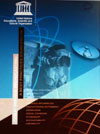
हाउ टु डु कम्युनिटी रेडियो
फिलिपिन्समा सामुदयिक रेडियोका अगुवा लुइ ताबिङद्वारा लिखित तथा
युनेस्कोद्वारा प्रकाशित सामुदायिक रेडियो चलाउनका लागि आधारभूत
पुस्तक । यो पुस्तकमा भएका सामग्री उपयोग गर्दा लेखक र प्रकाशकको
अनुमति लिनुहोला । यहाँ क्लिक गरेर पुस्तक डाउनलोड गर्नसकिन्छ ।
Click here to
Download PDF
कम्युनिटी रेडियो द पिपुल्स भ्वाइस
सामुदायिक रेडियोको क्षेत्रमा गहकिलो अनुभव बटुलेको देश दक्षिण अफ्रिकाको
अनुभवमा आधारित तथा दक्षिण अफ्रिकाका ६ जना लेखकले लेखेको यो पुस्तक
सामुदायिक रेडियो स्थापना र संचालन गर्न खोज्नेहरूका लागि निक्कै उपयोगी
छ । लेखक र प्रकाशकको लिखित अनुमित नलिई पुस्तकको कुनै पनि अंशको पुनः
उपयोग गर्न सकिन्न । तर नाफा कमाउने उद्देश्य नराखी पुस्तकका केही अंश
उपयोग गर्न सकिन्छ । यहाँ क्लिक गरेर पुस्तक डाउनलोड गर्न सकिन्छ । । Click Here to Download PDF
सामुदायिक
रेडियोको विश्वभरि परेको सामाजिक प्रभावको एमार्कले गरेको अध्ययन र मूल्यांकन
हेर्नुहोस् ।
Rights
& Responsibilities of Journalists
A Handbook Produced by Centre for Media Rights (CMR), Nepal with
the support of Nepal Media and Demoractic Strengthening Project/IMPACS
Pro-people Media (English)
A Million Dollar Idea
-Vinaya Kasajoo
An old man, who had nothing financial to give to his local community
radio, contributed an idea, which proved to be a milestone for the
sustainability of the radio and at the same time enhanced community
ownership and involvement in the station.
Last year, Community Radio Madanpokhara (CRM) honored 75-year-old
Tuk Lal Khati for his long lasting and valuable contribution. He
was awarded with a letter of appreciation and a radio set. Tuk Lal’s
million-dollar idea is now generating a substantial amount of money
for CRM.
Community Radio Madanpokhara is one of Nepal’s first community
radio stations. Officially, Madanpokhara Village Development Committee
(VDC) is the license holder of the station, but in practice it is
owned, controlled and managed by the community.
The station uses different methods to mobilize community members’
involvement in the programming and policies of the station. One
way is to organize meetings to motivate villagers to speak about
the radio programmes and to give the opportunity to criticise, evaluate
and advise the station. At one such meeting in the Bandipokhara
VDC, Som Nath Aryal, the facilitator, requested the meeting participants
to suggest how the people could contribute to the station.
Dozens of suggestions poured in from different people. At one corner
an old man was leaning over his staff and listening quietly. When
Som Nath requested the old man, Tuk Lal Khati, to give his suggestion
Tuk Lal declined, saying that many suggestions have already come
from educated people. How could an old and uneducated man like him
give a useful suggestion?
At that point Som Nath started to tell Tuk Lal a story about an
old lady whose one sentence had changed the destiny of a businessman.
Before he could finish his story the old man stood up suddenly and
spoke in a commanding voice: "Since the radio station has become
our mind, heart and mouth we must help it with all means –
mind, money and labour – till it speaks our voice. However,
I do not have money to give to the station. But I have an idea,
which can be useful for generating income for the station. Let every
household set aside a handful of rice from their daily consumption
and give it to the station".
Som Nath put Tuk Lal’s suggestion to CRM’s board of
directors who called a meeting of representatives of 23 villages
in CRM’s listening area. The meeting appreciated the idea
and decided to apply it immediately in their respective villages
through the network of local listeners’ clubs.
In the following two months, listeners’ clubs collected the
rice and equivalent money from households in villages across the
station’s listening area. They kept some portion of the funds
raised for their own local activities and sent 25-80 percent of
the collected amount to the station. In total CRM received over
Nepali Rupees. 50,000 (approximately USD 650).
Funds raised through villagers’ donation of rice now represent
a significant percentage of CRM’s budget. After mobilizing
over 90 local listeners clubs as part of the campaign, the amount
is expected to cross USD 4000 annually.
The contribution of the people in cash and kind has benefited the
station and the radio listeners clubs in various ways. It has improved
the sustainability of the station in long run. It has also contributed
to increasing the listeners’ sense of ownership and responsibility
over the radio station. They now feel that they have more authority
in decision-making about programming and policy of the station.
At the same time, the radio clubs have also been able to expand
and strengthen their social, cultural and advocacy activities.
At a time of increasing media commercialisation and globalisation,
Tuk Lal’s simple idea for Community Radio Madanpokhara shows
us a practical way to increase local participation in and sustainability
of local community radio.
Interview on IT broadcast through Radio Sagarmatha
(File Type: Exe, Size: 1.16 MB) Download Now»
गाउँमा आर्थिक क्रान्तिका लागि मोबाइल फोन
आर्थिक विकासमा मोबाइल फोनको यही महत्वले गर्दा नै
चिन, भारत, फिलिपिन्स, दक्षिण कोरिया जस्ता द्रुत गतिले आर्थिक प्रगतितिर
लम्किरहेका देशहरूमा मोबाइल फोनको विकासले फडको मारिरहेको छ । ती देशहरूमा
कम्प्युटरभन्दा मोबाइल फोनको संख्या, सेवा र व्यवसाय धेरै बढिरहेको छ । अहिले
चिनमा सयकडा बीस जनाभन्दा धेरैको हातमा मोबाइल फोन छ । त्यस्तै भारतका गाउँगाउँमा
पनि मोबाइल फोन पुग्न थालेको छ ।
भौतिक पूर्वाधारको अभाव, ठूलो लगानी, सुरक्षा आदि विभिन्न कारणले गर्दा नेपालमा
गाउँगाउँमा परम्परागत तारयुक्त टेलिफोन पुर्याउनु सजिलो छैन । ताररहित सूचना
प्रविधि नै यहाँको लागि सबैभन्दा उपयुक्त र प्रभावकारी उपाय हो । रेडियोले
एकतर्फी सूचना प्रवाहित गर्छ भने टेलिफोनले दुई तर्फी । यसैलै नेपालमा अहिले
बढिरहेको मोबाइल फोनलाई कृषि बजारको विकासँग जोडेर हेर्नु अति आवश्यक छ ।
बाँकी अंश»
अहिलेको विश्वमा विकास संचारको सान्दर्भिकता
भारतको पूर्वी समुद्र तटीय राज्य पोण्डेचेरीको एउटा
गाउँ नाल्लवधुमा सुनामी महाभूकम्पले उत्पन्न गरेको समुद्री छालको पानी पस्यो
तर त्यहाँ कसैको पनि मृत्यु भएन । छाल आउनुभन्दा पहिले नै सबै गाउँलेहरू
घर छाडेर सुरक्षित ठाउँमा गइसकेका थिए । बाँकी
अंश»
कम्प्युटरमा नेपाली र नेपालीमा कम्प्युटर
कम्प्युटरको मनिटर, मेनु र सन्देशहरू देवनागरी लिपिमा
नेपाली भाषामा चल्ने वा देखिने नभएसम्म र नेपाली भाषामा दिएको आदेशअनुसार
कम्प्युटरले काम नगर्दासम्म अंग्रेजी नजानेका साक्षर नेपालीले कम्प्युटरको
उपयोग गर्ने सम्भावना छैन । नेपाली भाषामा कम्प्युटर चलाउने प्रविधि सुरु
भयो भने झण्डै आधा जनसंख्याको हाराहारीमा रहेका साक्षर नेपालीहरू कम्प्युटर
चलाउनसक्ने अवस्थामा पुग्नेछन् । बाँकी
अंश»
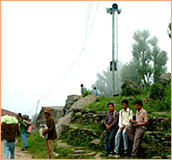
Community Audio Tower
Daanda Bazar, Nepal
Empowering Rural People through Communication
In the rural areas of Nepal, schoolbooks of the children, labels and wrappers
of the commercial goods and posters and pamphlets during election are
the only printed paper the people usually see. If knowledge is the fuel
for development, where is that fuel for the majority of the people of
Nepal? Read More »
Where are we in the Global Map of IT?
The main vision of the Nepalese IT Policy 2000 is to
“Place Nepal on the Global Map of information technology within
the next five year.” Where are we in that map after losing three
precious years? Read More »
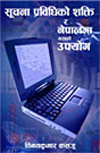
What IT can do in Nepal? How can it help the poor?
Power
of IT and Its Use in Nepal is the first book that tries to address these
questions. Published in Nepali language, it explains the technical and
practical aspects of information technology and its significance for the
developing countries like Nepal.The 210 page book costs Rs. 200.
Download full Nepali text in PDF file.