Home Page of Kasajoo.com Vinaya Kasajoo, a littérateur, journalist, community media activist and Ashoka Fellow working for Pro-people Media in Nepal.
Home Page of kasajoo.com
Home
Media
Pro-people Media - Nepali
आमसञ्चारसम्बन्धी लेख
Pro-people Media - English
IT for Development - English
IT for Development - Nepali
Literature
Tweeter Stories Nepali
Short Short Stories - English
Short Short Stories - Nepali
Children's Stories - English
Children's Stories - Nepali
Feature Articles - English
Feature Articles - Nepali
Publications
Profile
Feedback
Contact

Public Service Broadcasting: A Best Practices SOURCEBOOK


Code of Conduct for Radio Operators Nepal 2008 रेडियो संचालकहरूका लागि आचार संहिता २००८


A Sleeping Bag for
Mr. Fox

A Collection of Flash Fictions
Author: Vinaya Kasajoo
Publisher: Bibek Sirjanshil Publication, Nepal
Price NRs. 75.00

बालसंसार Children's World
Media & Literature for Children»

बाल भित्तेपत्रिका तालिम निर्देशिका


डाउनलोड गर्नुस्

उच्चस्तरीय मिडिया सुझाव आयोगको प्रतिवेदन २०६३
हेर्न र डाउलोड गर्न यहाँ क्लिक गर्नुस्


मिडियाको लोकतन्त्रीकरण
Democratization of Media
लोकतान्त्रिक नेपालमा जनतको हातमा संचार अधिकार कस्तो र कसरी विषयमा देशव्यापी छलफल चलाउनका लागि पुस्तक ।
यहाँ क्लिक गरेर यो पूरै पुस्तक डाउनलोड गर्न सक्नुहुन्छ । ४८ पृष्ठको यो पुस्तक पच्चिस रुपैयाँमा बजारमा किन्न पाइन्छ ।

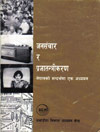
जनसंचार र प्रजातन्त्रीकरण नेपालको सन्दर्भमा एक अध्ययन
सर्वांगीण विकास अध्ययन केन्द्रले २०५३ सालमा प्रकाशित गरेको अध्ययन प्रतिवेदनको परिशिष्टमा दिइएको

नेपालमा जनसंचारको विकासक्रमः संक्षिप्त इतिहास PDF मा जंगबहादुरको गिद्धेप्रेसदेखि गाउँले पत्रिका देउरालीसम्मको कालक्रम थाहा पाउन यहाँ क्लिक गर्नुस् ।

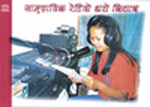
सामुदायिक रेडियो हाते किताब (निर्देशिका)
युनेस्कोद्वारा प्रकाशित तथा विनय कसजूद्वारा अनुदित यो सचित्र पुस्तकको चित्रबिनाको पाठ्य सामग्रीमात्र हेर्न र डाउनलोड गर्न यहाँ क्लिक गर्नुस् ।

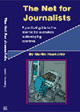
द नेट फर जर्नलिस्ट पत्रकारहरूका लागि इन्टरनेटको उपयोग गर्न सिकाउने यो पुस्तकले आफूलाई चाहिने जानकारी, सूचना कहाँबाट र कसरी पाउने भन्ने मात्रै सिकाउँदैन, त्यसरी पाएको सूचनालाई कसरी मूल्यांकन गर्ने र आधिकारिकता पत्ता लगाउने भन्ने पनि सिकाउँछ । यसमा पत्रकार आफैले ब्लग, इन्टरनेट फोन, पोडकास्टिङ (इन्टरनेटबाट रेडियो प्रसारण) आदि संचालन गर्न पनि सिकाइएको छ । यो किताब किन्दा सँगै एउटा तालिम निर्देशिका र सफ्टवेयरसहितको सीडी पनि पाइन्छ ।

विकासशील देशका छापा र प्रसारण पत्रकारहरू तथा पत्रकारिताका विद्यार्थीहरूका लागि लक्षित गरी युनेस्कोले थम्सन फाउण्डेसन र कमलवेल्थ ब्रोडकास्टिङ एसोसिएसनसँग मिलेर तयार पारेको यो पुस्तक आफ्नो कम्प्युटरमा डाउनलोड गर्न यहाँ क्लिक गर्नुस यसको लागि पैसा लाग्दैन । यसको साइज 2.09 MB छ । यो किताबमा भएका सामग्रीहरू उपयोग गर्नका लागि प्रकाशकको अनुमति लिनुपर्छ ।


हाउ टु डु कम्युनिटी रेडियो

फिलिपिन्समा सामुदयिक रेडियोका अगुवा लुइ ताबिङद्वारा लिखित तथा युनेस्कोद्वारा प्रकाशित सामुदायिक रेडियो चलाउनका लागि आधारभूत पुस्तक । यो पुस्तकमा भएका सामग्री उपयोग गर्दा लेखक र प्रकाशकको अनुमति लिनुहोला । यहाँ क्लिक गरेर पुस्तक डाउनलोड गर्नसकिन्छ ।
Click here to Download PDF


कम्युनिटी रेडियो द पिपुल्स भ्वाइस
सामुदायिक रेडियोको क्षेत्रमा गहकिलो अनुभव बटुलेको देश दक्षिण अफ्रिकाको अनुभवमा आधारित तथा दक्षिण अफ्रिकाका ६ जना लेखकले लेखेको यो पुस्तक सामुदायिक रेडियो स्थापना र संचालन गर्न खोज्नेहरूका लागि निक्कै उपयोगी छ । लेखक र प्रकाशकको लिखित अनुमित नलिई पुस्तकको कुनै पनि अंशको पुनः उपयोग गर्न सकिन्न । तर नाफा कमाउने उद्देश्य नराखी पुस्तकका केही अंश उपयोग गर्न सकिन्छ । यहाँ क्लिक गरेर पुस्तक डाउनलोड गर्न सकिन्छ । ।
Click Here to Download PDF
सामुदायिक रेडियोको विश्वभरि परेको सामाजिक प्रभावको एमार्कले गरेको अध्ययन र मूल्यांकन हेर्नुहोस् ।

Recent Books of
Vinaya Kasajoo


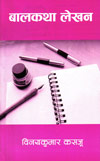
Baal Katha Lekhan
(How to Write Kids' Stories)
Visit www.balsansar.com


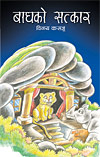
Baghko Satkar
(Stories for Children in Nepali Language)
 

Click here to Download PDF

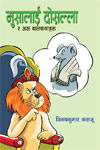
Musa lai Dosalla
ra Aru Bal Kathaharu
(In Honour of a Rat and Other Stories for Children)

 
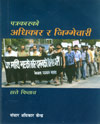
Rights & Responsibilities of Journalists
A Handbook Produced by Centre for Media Rights (CMR), Nepal with the support of Nepal Media and Demoractic Strengthening Project/IMPACS
 
A presentation of Dreams & Ideas : Service Provider of Web, Print & Multimedia
 

Feature Articles (English)

The Maladies lie in political parties

-Vinaya Kasajoo

Many people laughed when former Prime Minister Krishna Prasad Bhattarai told the audience at a public meeting that there was danger to democracy from the people rather than from the palace or the army. Rana Prime Minister Chandra Shumsher knew this long ago. He had revealed this but in different term while inaugurating Trichandra Collage, the first college of Nepal.

Since innocent, ignorant, uneducated and uninformed people are fertile fields for autocratic system every coup against democracy captures the sources of information and tries to keep the people misinformed. Nepal has already experienced such a coup in the past when Mr. Bhattarai himself was the speaker of the first parliament. That's why he expressed this bitter truth from his own experience.

In India, people who once moved around Mahatma Gandhi and Jawaharlal Nehru are now electing Lalu Yadav and Phulan Devi as their leaders. Now they are celebrating the nuclear bomb explosion as well. It is a case of sabre ratling that may not serve any cause. Many say that democratic values in India have received setback during the last fifty years. If the system was getting there would not be Gayarams and Ayarams around, would they?

To get the answer we must come back to Mr. Bhattarai. He could tell how our neighbours are fiddling with democracy like the proverbial monkey fiddled with the coconut. Mr. Bhattarai is apprehensive of the Indian way of democratic exercises in which the common people do not have any important role, except at the time of election.

Since it is easy to make fools of innocent and uninformed people religious fundamentalism is in rise. People are not allowed to ask questions about religious texts. People seem to seek their emancipation not through labour but through the charisma of political leaders, cinema stars and criminals. They are in fact losing power.

Now the question is, should we follow our big neighbour or take a different route? Mr. Bhattarai is anxious that people are running out of patience with leaders here. All know that voting is an important tool in democracy. It expresses the people's opinion. Common people do not care about election and hence, Bhattarai's warning about danger from the people. But is there any solution? If the status of political parties is anything to go by, there is no solution. Political parties are losing their mass support.

Does Mr. Bhattarai or his party Nepali Congress have any solution of this crucial problem? At the time not only Nepali Congress but almost all the political parties of the sub continent are striving hard to be bigger and powerful. But in contrast almost all of them are becoming smaller and weaker after every election.

Non except political leaders may be blame for the people's alienation. In their attempt to make themselves and their party powerful, the people were never given the opportunity to learn the real meaning of democracy. Leaders, like their former rulers always felt it easy to rule the ignorant people. Therefore, they tried to weaken them by keeping un-informed, ignorant, without self-confidence and self-respect.

It is clear that democracy cannot sustain without well-informed, educated and empowered people. What we need are concrete plans and programs for sustaining democracy. We have not learnt any lesson from our own experience and from the experiences of neighbouring countries.

It is true that our well wishers from many countries came to help up. They took our parliamentarians to visit their country. They gave good- communication system as well as modern printing press for use in the parliament. Some of them promoted our education system whereas some tried to change the role of mass media and develop free, independent and credible press. We are still very far from the target. Was it worth the while?

The type of information available to set up development efforts is so large that the existing media structure and traditional communication system cannot disseminate them. Most of our traditional communication structures have broken down. The traditional press is politicized. A democratic communication system with people's participation is lacking. How can we educate our people and involve them in the exercise of democracy? This is a big challenge, which every responsible citizen has to face if we want to sustain democracy.

Let us draw a leaf from Denmark. Folkehojskole is Denmark's contribution to the outside world. It has to do with popular education. Popular education means more than just spreading knowledge and technical skills among the population at large.

Furthermore the Danish tradition of popular education rests on a solidly democratic outlook: no one can claim privileged access to the absolute truth - so every one has a right to have his say.

The concept and vision of folkehojskole can be quite useful for strengthening democracy in a country like Nepal, where majority of the population has never visited any formal school. Mass education of the community can be enhanced through the concept of folkehojskole.

Every year some 2% of Denmark's entire population go to a folkehojskole. Most of them go on courses lasting only a few weeks, but some 15,000 a year attend courses lasting several months.

The fact that popular education is so intimately linked in the Danish tradition with the concept of learning for life is mainly the work of Nikolai Fredeerik Severin Grundtvig (1783-1872), a clergyman and writer. He was a contemporary of two other eminent Danes - Hans Christian Andersen and Soren Kierkegaard.

During the 1830s Grundtvig sketched out numerous plans for setting up some kind of high school based on his experience in England. His idea was for the king to set up a higher civil service school. Here the country's future administrators would sit side by side in the classroom with the sons and daughters of peasants, farmers, fishermen, workmen, tradesmen and housemaids

For various reasons all these plans came to naught. But Grundtvig's ideas came to play a major role for the Danish peasant farmers, as the hojskoler helped them to gain the authority and self-confidence to take full advantage of the democratic rights granted them under the Danish Constitution of 1849.

After Denmark's defeat by Germany in 1864 there was a sudden upsurge in the folkehojskole movement. In less than ten years some 50 new folkehojskoler were established throughout the remaining territory of the country. One of the school's main concerns was to lay a basis for the nation to come to terms with the new situation.

The last third of the 19th century was the golden age of the folkehojskoler. During this period they acted as a powerful cultural dynamo, helping to lay the foundation for the modern welfare state.

The concept of folkehojskoler is flourishing in many European, African and Asian countries. Danish immigrants have established folkehojskolers in the United States. Danida, the development aid section in the Danish Foreign Ministry which has the largest contribution to the democracy and human rights project in Nepal, has been working on adult education and folkehojskoler in our neighbouring countries, India and Bangladesh. If Danida uses this concept to strengthen democracy in Nepal it will be a worthwhile effort.

(Published in The Kathmandu Post daily- August 3, 1998.)

Back

 
Recent Articles
नयाँ लेख
श्रव्यदृश्य सामग्रीको संरक्षणा राष्ट्रिय दायित्व
अबको सूचना प्रविधि नीति र कार्यक्रम
Towards Community level Access to the Internet for
Freedom of Expression
डिजिटल संचार युगमा जनप्रतिनिधित्व
साइबर स्पेसमा सूचनाको हक
जनसेवी प्रसारणा र विकासशील देशहरूमा यसको उपयोग
सञ्चार स्वप्नद्रष्टा आर्थर सी. क्लार्क
पाल्पाको सन्दर्भमा पत्रकारिताका अवसर र चुनौती

मिडियाको लोकतन्त्रीकरणा र सामाजिक आन्दोलन (मिडिया अध्ययन ४ मा प्रकाशित)

एक्काइसौँ शताब्दीको शक्तिः सूचना र ज्ञान

संवाद, समझदारी र मेलमिलापका लागि मिडिया

लोकतन्त्रमा स्वतन्त्र प्रेस र नागरिक समाज (गोरखापत्र)

इन्टरनेटको खतराबाट केटाकेटीलाई कसरी जोगाउने ?

स्वतन्त्र प्रेसका लागि सूचनाको हक

यस कारण थाहा चाहियो

जनताको हातमा संचार शक्तिको अर्थ

बालसाहित्य सर्जकसमक्ष हाँकहरू

भारतीय जनता पार्टीको आईटी सपना

शक्ति सन्तुलनमा प्रेसको भूमिका

मिडिया र मूल्यमान्यता (Media and Values)

प्रेसः अंगुर निचोर्नेदेखि दिमाग निचोर्नेसम्म

पत्रकारको सुरक्षा कसको दायित्व?

डेनमार्कमा वायु उर्जा

सूचनाको हक र प्रेस

सूचनामा जनताको पहुँचका लागि सूचना व्यवस्थापन

मिडियाको लोकतन्त्रीकरण र सामाजिक आन्दोलन

नेपालको संघीय संरचना र अन्तर्राष्ट्रिय सम्बन्ध

लोकतन्त्रमा सूचनाको हक

विकासको लागि रेडयो र इन्टरनेटको मेल

नयाँ संविधानमा सूचना र संचार

इन्टरनेटमा हीरा कि कीरा ?

संविधान निर्माण धाराका आधारहरूको अभिलेखन र संरक्षण अत्यावश्यक

रेडियो र मोबाइल फोनको मेल

नेपाली च्यानलका अवसर

सुशासन र सूचनाअधिकार

बालबालिकाका लागि रेडियो नाटक

परिवर्तनका लागि मोबाइल फोन

लोकतन्त्रमा सूचनाको हकः अवसर र हाँक

सूचनाअधिकार र प्रेस

जनअधिकारका लागि सूचनाको हक

जनसत्ताका लागि छैटौँ सत्ता

 
नयाँ नेपालमा संचार शक्ति जनताको हातमा

गाउँको विकासमा सूचना तथा संचार प्रविधि

अभिव्यक्ति स्वतन्त्रता, सूचनाको हक र गोपनीयता (०५३-५४)

मिडिया भन्ने कि प्रेस?

ऐतिहासिक गिद्धे प्रेस

सञ्चारको लोकतन्त्रीकरण र पुनःसंरचनाको एजेन्डा

नेपालको पुनःसंरचनामा संचारको भूमिका

नेपालको नवनिर्माणमा बालसाहित्यको भूमिका

सम्विधानसभाका लागि मिडियाको भूमिका

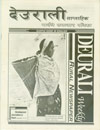
Gaunle Deurali, the First Rural Newspaper of South Asia needs your support.
Please click here and Save It!

Interview on IT broadcast through Radio Sagarmatha
(File Type: Exe, Size: 1.16 MB)
Download Now»

गाउँमा आर्थिक क्रान्तिका लागि मोबाइल फोन

आर्थिक विकासमा मोबाइल फोनको यही महत्वले गर्दा नै चिन, भारत, फिलिपिन्स, दक्षिण कोरिया जस्ता द्रुत गतिले आर्थिक प्रगतितिर लम्किरहेका देशहरूमा मोबाइल फोनको विकासले फडको मारिरहेको छ । ती देशहरूमा कम्प्युटरभन्दा मोबाइल फोनको संख्या, सेवा र व्यवसाय धेरै बढिरहेको छ । अहिले चिनमा सयकडा बीस जनाभन्दा धेरैको हातमा मोबाइल फोन छ । त्यस्तै भारतका गाउँगाउँमा पनि मोबाइल फोन पुग्न थालेको छ ।
भौतिक पूर्वाधारको अभाव, ठूलो लगानी, सुरक्षा आदि विभिन्न कारणले गर्दा नेपालमा गाउँगाउँमा परम्परागत तारयुक्त टेलिफोन पुर्याउनु सजिलो छैन । ताररहित सूचना प्रविधि नै यहाँको लागि सबैभन्दा उपयुक्त र प्रभावकारी उपाय हो । रेडियोले एकतर्फी सूचना प्रवाहित गर्छ भने टेलिफोनले दुई तर्फी । यसैलै नेपालमा अहिले बढिरहेको मोबाइल फोनलाई कृषि बजारको विकासँग जोडेर हेर्नु अति आवश्यक छ । बाँकी अंश»

अहिलेको विश्वमा विकास संचारको सान्दर्भिकता

भारतको पूर्वी समुद्र तटीय राज्य पोण्डेचेरीको एउटा गाउँ नाल्लवधुमा सुनामी महाभूकम्पले उत्पन्न गरेको समुद्री छालको पानी पस्यो तर त्यहाँ कसैको पनि मृत्यु भएन । छाल आउनुभन्दा पहिले नै सबै गाउँलेहरू घर छाडेर सुरक्षित ठाउँमा गइसकेका थिए । बाँकी अंश»

कम्प्युटरमा नेपाली र नेपालीमा कम्प्युटर

कम्प्युटरको मनिटर, मेनु र सन्देशहरू देवनागरी लिपिमा नेपाली भाषामा चल्ने वा देखिने नभएसम्म र नेपाली भाषामा दिएको आदेशअनुसार कम्प्युटरले काम नगर्दासम्म अंग्रेजी नजानेका साक्षर नेपालीले कम्प्युटरको उपयोग गर्ने सम्भावना छैन । नेपाली भाषामा कम्प्युटर चलाउने प्रविधि सुरु भयो भने झण्डै आधा जनसंख्याको हाराहारीमा रहेका साक्षर नेपालीहरू कम्प्युटर चलाउनसक्ने अवस्थामा पुग्नेछन् । बाँकी अंश»


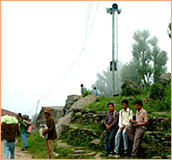
Community Audio Tower, Daanda Bazar, Nepal
Community Audio Tower
Daanda Bazar, Nepal

Empowering Rural People through Communication

In the rural areas of Nepal, schoolbooks of the children, labels and wrappers of the commercial goods and posters and pamphlets during election are the only printed paper the people usually see. If knowledge is the fuel for development, where is that fuel for the majority of the people of Nepal? Read More »

Where are we in the Global Map of IT?

The main vision of the Nepalese IT Policy 2000 is to “Place Nepal on the Global Map of information technology within the next five year.” Where are we in that map after losing three precious years?
Read More »

 
What IT can do in Nepal? How can it help the poor?

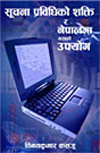
Power of IT and Its Use in Nepal is the first book that tries to address these questions. Published in Nepali language, it explains the technical and practical aspects of information technology and its significance for the developing countries like Nepal.The 210 page book costs Rs. 200. Download full Nepali text in PDF file.

 
© Copyright 2003-2009 Vinaya Kumar Kasajoo. All Rights Reserved. Website designed, maintained & promoted by Dreams & Ideas .